Tree T Shirt Design, Vector.: An Embroidery Review
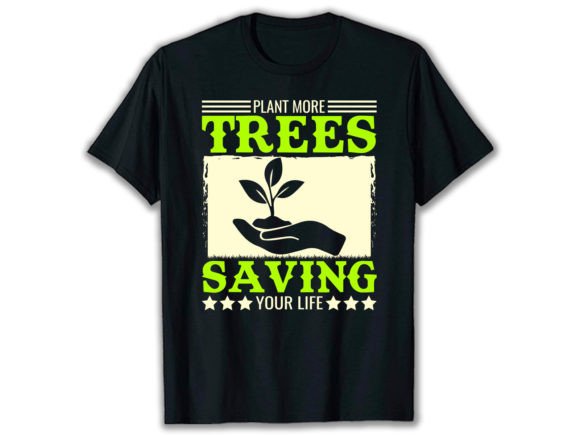
Unzipping the free bundle titled Tree T Shirt Design, Vector. felt exactly like opening a quiet, promising little envelope. Inside, the AI, JPG, PNG, and preview files sat neatly compressed—nothing flashy, just a clean graphic likely intended for screen printing or print-on-demand. But my mind immediately wandered past T-shirts. As an embroidery designer who digitizes daily for tote bags, sweatshirts, and baby gifts, I asked the same question I always ask when a new tree silhouette crosses my desk: Will this actually stitch well? The answer, after some careful testing and plenty of scrap fabric, is a thoughtful yes—but only if you treat this graphic template with the respect it deserves.
First Glance: Why This Tree Caught My Embroidery Eye
The design moods are organic and understated. There is no heavy outline, no aggressive detail crammed into corners. Instead, the tree shape carries an airy, almost watercolor-like structure—branches spreading loosely, the trunk solid but not cartoonish. For a machine embroidery design built from scratch, that kind of visual personality matters enormously. Crisp, overly complex vectors often digitize into dense, puckered messes. This one, by contrast, reads like a guide rather than a rigid blueprint. I instantly pictured it on an oatmeal linen tote bag used as a personalized gift, or scaled down for a baby romper in soft sage thread. The Tree T Shirt Design, Vector. felt less like a finished apparel graphic and more like a starting point that actually understands how thread lies on fabric.
Real Project Test: An Embroidered Tote Bag for a Small Shop
To judge the design honestly, I built a small-batch embroidery project around it. A friend runs a nature-inspired boutique on Etsy and needed a relaxed, organic-looking tote for spring markets. I took the PNG preview from the bundle and spent an hour digitizing it in my software—converting the softer branches into running stitch paths, assigning satin stitch borders to the trunk, and keeping fill stitch density low enough to avoid boardiness on the canvas fabric. The Tree T Shirt Design, Vector. file itself isn’t an embroidery file, so this extra step is non-negotiable. But the shape translated beautifully. After hooping the tote with a medium cutaway stabilizer, I stitched it out in two earthy thread colors: a deep espresso brown and a muted olive green. The embroidery looked intentional, textured, and giftable—exactly the kind of handmade product that stops a craft fair browser in their tracks.
How the Design Acts in Real Embroidery Conditions
Across multiple fabrics and project types, the tree silhouette proved surprisingly adaptable, though not without its quirks. Understanding those will save you hours of frustration.
- On flat, stable surfaces like canvas tote bags, pillow covers, or kitchen towels, the design flourished. The stabilizer did its job, and the stitches held their shape without pulling.
- Sweatshirt embroidery and fleece jackets worked well when I used a water-soluble topper to prevent stitches from sinking. The tree’s organic edge meant slight registration shifts weren’t noticeable—a real advantage over geometric patterns.
- Baby embroidery and onesies required careful scaling. The finer twig ends became too thin below a 4-inch hoop size; I would not recommend going smaller than a 5x7 hoop for those tiny branches to remain recognizable.
- Embroidered patch applications were a highlight. Digitized with a heavy satin stitch edge, the tree became a standalone patch that buyers could sew onto denim jackets or backpacks, boosting the perceived value of a simple craft business product.
Delicate Areas: Where Caution Pays Off
Some scenarios demand extra testing with the Tree T Shirt Design, Vector. in mind. Small hoop sizes will almost certainly lose the finesse of the outer branches. If the selected hoop is too tight, the digitizer may be forced to thicken the design, losing its airy feel. Stretchy fabrics like ribbed cotton or performance wear become problematic unless you slow the machine speed down and pair the project with a firm mesh stabilizer. Curved surfaces—caps, hat fronts—can distort the tree into an unrecognizable shape, so I reserve this design for flatter apparel items.
Thread color contrast against dark fabric requires attention as well. The original vector preview looks gorgeous on a light background, but when I tested a navy sweatshirt with matching dark thread, the tree nearly vanished. A lighter, slightly off-white thread or a subtle tonal change fixes this, but you must test on scrap fabric before committing to a finished product.
The Visual Value It Brings to Handmade Products
An embroidered tree silhouette carries an almost universal appeal that translates into stronger customer trust and better Etsy seller performance. When I listed the finished tote bag, I noticed the organic shape felt more boutique and less mass-produced than heavily structured floral embroidery. The tree design makes a product look thoughtful, aligned with sustainable and nature-loving buyers. That psychological edge often elevates a simple tote into a piece people want to gift. Similarly, on an apron for a home baker or on a pillow cover for a woodland nursery, the design cues feel professional without screaming for attention.
For commercial embroidery clients, the Tree T Shirt Design, Vector. creates immediate brand consistency. Cafés, farm stands, or outdoor wedding vendors could use this graphic as a recurring visual signature—on staff shirts, custom apparel, and even hand towels. The repeatable, serene shape invites buyer engagement far better than text-heavy logos.
Practical Embroidery Designer Notes: Before You Stitch
Since this product arrives as a collection of Graphic Templates, not an embroidery file, your job as a maker starts with digitizing. Here is what I learned during my own test runs:
- Trace the AI file directly. The vector format preserves smooth curves, so scaling for larger projects or changing stitch angles becomes effortless. The JPG preview is handy for quick visual reference, but the vector is the true workhorse for embroidery digitizing.
- Lightly test the stitch density. If you push fills into the trunk at standard 0.4 mm density, the fabric may pucker, especially on linen or cotton. I lowered mine to 4.0 mm and used a graceful satin stitch for the roots—softer, but still durable enough for frequent washing.
- Verify the thread palette. One color looks deceptively simple, but a two- or three-thread combination adds depth. I tested a monochrome beige version and a two-tone version; the two-tone always looked more finished.
- Always stitch a black-and-white mockup first. Converting the design to a single-color test run on scrap reveals problem spots you might miss in full color. Hidden thick nodes in the vector became visible only after this exercise.
- Hooping matters greatly. Frame the stabilizer drum-tight, and make sure your T-shirt, tote, or blanket fabric does not shift. Even a millimeter slip can stretch the tree trunk into something awkward.
Beyond the stitching itself, remember this is a Free T-Shirt Design Bundle, which means the licensing may be limited. The product description does not explicitly grant full commercial rights for digital embroidery resale or digitized file distribution. As an embroidery designer who sells finished products, I would never assume broad commercial permission without confirmation. If you plan to create and sell digitized embroidery files based on this artwork, reach out to the original provider for clarity. For personal projects, small shop physical merchandise, and personalized gifts, the usual terms often apply, but a quick check protects your business.
Who This Tree Design Helps Most
Creative entrepreneurs, hobbyists, and craft business owners who already digitize their own embroidery designs will find the greatest treasure here. The Tree T Shirt Design, Vector. fills a gap: it offers a professionally drafted shape without locking you into any single stitch type or machine format. That flexibility means you can adapt it into an applique design with fabric leaves, a fine-line running stitch sketch for delicate baby gifts, or a sturdy fill stitch version for bold custom apparel. Digital product sellers attuned to the Graphics category might pair this with a printable mockup to showcase their finished embroidery, giving potential buyers a reliable preview.
Keeping the Finished Product Lovely Over Time
After several gentle wash cycles, the stitched tote bag held up beautifully. The tree didn't warp, the thread didn't fray, and the stabilizer remained invisible. This durability is not just about the graphic design—it’s about how you execute it. Choose quality polyester embroidery thread, use a proper stabilizer for the fabric weight, and never skip the test stitch. With those habits, the Tree T Shirt Design, Vector. can become a staple in your design assets library, suitable for holiday gifts, wedding present keepsakes, or staple apparel pieces that customers will wear proudly.
Final Reflection from an Embroidery Pro
I started with a simple, free graphic and ended up with a collection of handmade products that felt rooted and calm. The design is not a shortcut; it asks you to digitize thoughtfully, to consider fabric texture, to care about how small branches embroidery behaves on a real garment. But that very process is what gives it value. Without the flashy marketing promises, the Tree T Shirt Design, Vector. quietly proves itself as a reliable visual anchor for tote bag designs, sweatshirt embroidery, and simple boutique branding. If you love turning clean linework into textured thread art, this little bundle deserves a permanent spot in your digital toolbox.