A Practical Review of the Camp More Worry Less Design
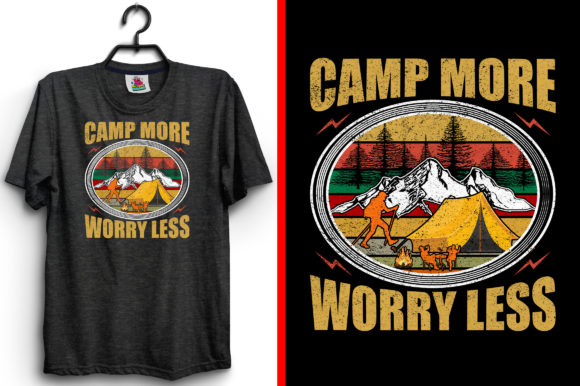
As a designer who lives in the world of thread and fabric, I approach every new embroidery file with a specific question: how will it perform in a real project, under a real hoop? The Camp More Worry Less Camping T-Shirt design, categorized as a Print Templates Graphics file, immediately presents itself as a sentiment-driven graphic. It's not just a piece of art; it's a phrase meant to be worn, gifted, and displayed. My first impression is that it creates a relaxed, optimistic mood. The layout feels straightforward and bold, suitable for a clean, readable embroidery application. This isn't a hyper-detailed scene; it’s a statement piece, and that visual personality tells me it belongs on projects where the message is the centerpiece.
The Natural Habitat for This Design
Let’s picture a real scenario. Imagine you're preparing for a craft fair, and you want a line of cozy, handmade gifts that resonate with outdoor enthusiasts or anyone craving a simpler vibe. You pull up this design on your software. Instinctively, you start visualizing it stitched onto the breast of a heavyweight sweatshirt, the crisp satin stitch of the letters standing out against a fleece background. But it’s not just for apparel.
This Camp More Worry Less theme naturally extends to a sturdy canvas tote bag for picnic supplies, a neat patch sewn onto a denim jacket, or even a simple kitchen towel for a cabin-themed decor. It has that giftability factor—a perfect fit for a personalized gift for a friend who loves the outdoors, or as a consistent product in a small shop selling handmade merchandise. The charm lies in its universal appeal; it’s not season-specific, making it a reliable asset for an Etsy seller or a boutique’s evergreen collection.
Where the Stitching Gets Real
In practical embroidery situations, the performance of a design like this hinges on its execution. On a custom t-shirt, the stitch density needs to be balanced to avoid puckering lightweight fabric. On a baby onesie or a soft blanket, you’d want to ensure the fill stitches aren't so dense that they become stiff against delicate skin. For a cap or hat, with its curved surface, the design’s layout would need to be sized appropriately so the lettering doesn’t distort on the crown.
The design’s strength—its clear, bold statement—also points to areas for careful use. Tiny, intricate lettering can be a challenge. If the design file has very small details or tight corners, they might get lost or become fuzzy on textured fabrics like knit sweaters. On dark fabric, thread color contrast is paramount; a bright, contrasting palette would be essential to maintain visual clarity. For products destined for frequent washing, like aprons or pillow covers, a robust stabilizer choice and secure stitching are non-negotiable to preserve that handmade presentation and customer trust.
Impact on Product Value and Appeal
When this design is embroidered well, it elevates the finished product significantly. The clarity of the message translates directly to stitching clarity. A cleanly embroidered “Camp More Worry Less” on a high-quality sweatshirt feels professional and intentional, boosting the perceived value. For a creative entrepreneur, this supports brand consistency if your shop leans towards nature-inspired, uplifting themes.
From a buyer engagement perspective, it’s a relatable phrase. It doesn’t just decorate an item; it connects with a feeling. That connection can turn a simple embroidered patch into a cherished keepsake or a tote bag into a best-selling item at your craft fair. It speaks to a desire for escape and simplicity, which in today’s world, is a powerful draw.
Designer Notes for a Smooth Project
Before committing this design to a client project or commercial embroidery run, here are my grounded, practical notes.
- Always test on scrap fabric first. Use the same material you intend for the final product—whether it’s cotton twill for a tote or performance polyester for a cap. This reveals how the stitch density behaves and if any small details need adjustment.
- Check thread color contrast. Run a test on both light and dark fabric backgrounds. Sometimes a design pops on a white mockup but needs a completely different thread plan for a navy blue sweatshirt.
- Confirm your hoop size. The physical size of the design file matters. Ensure it fits comfortably within your standard hoop for efficiency, especially if you plan batch production for small business merchandise.
- Inspect the design in your software. Zoom in on those corners and letter connections. Look for any potential satin stitch overlaps or fill stitch areas that might be too thick for thin fabrics.
- Use proper stabilizer. This is the unsung hero. For stretchy fabrics or layered garments like hoodies, the right stabilizer prevents warping and ensures the design’s shape remains true after washing.
- Clarify licensing before selling. Since this is a digital embroidery file from a store selling design assets, it’s crucial to confirm the license terms. Can it be used for commercial embroidery projects, like selling finished tote bags or baby clothes? Or is it for personal use only? Never assume.
Ultimately, the Camp More Worry Less Camping T-Shirt design is a versatile graphic with strong emotional appeal. Its success in your embroidery project, whether for a holiday gift or a line of boutique products, depends on this practical, tested approach. It’s a design that invites relaxation—but for the maker, it demands careful preparation. Pair that thoughtful setup with quality stitching, and you’ll have a product that truly lets your customers, and your craft business, worry less.